Marvell DPU Play: Game-Changer for AI Data Centers
Marvell DPU Strategy: The Quiet Game-Changer for AI Data Centers
Analysis by the Review Nest editorial team. We assess enterprise tech for real-world buyer fit, not hype.
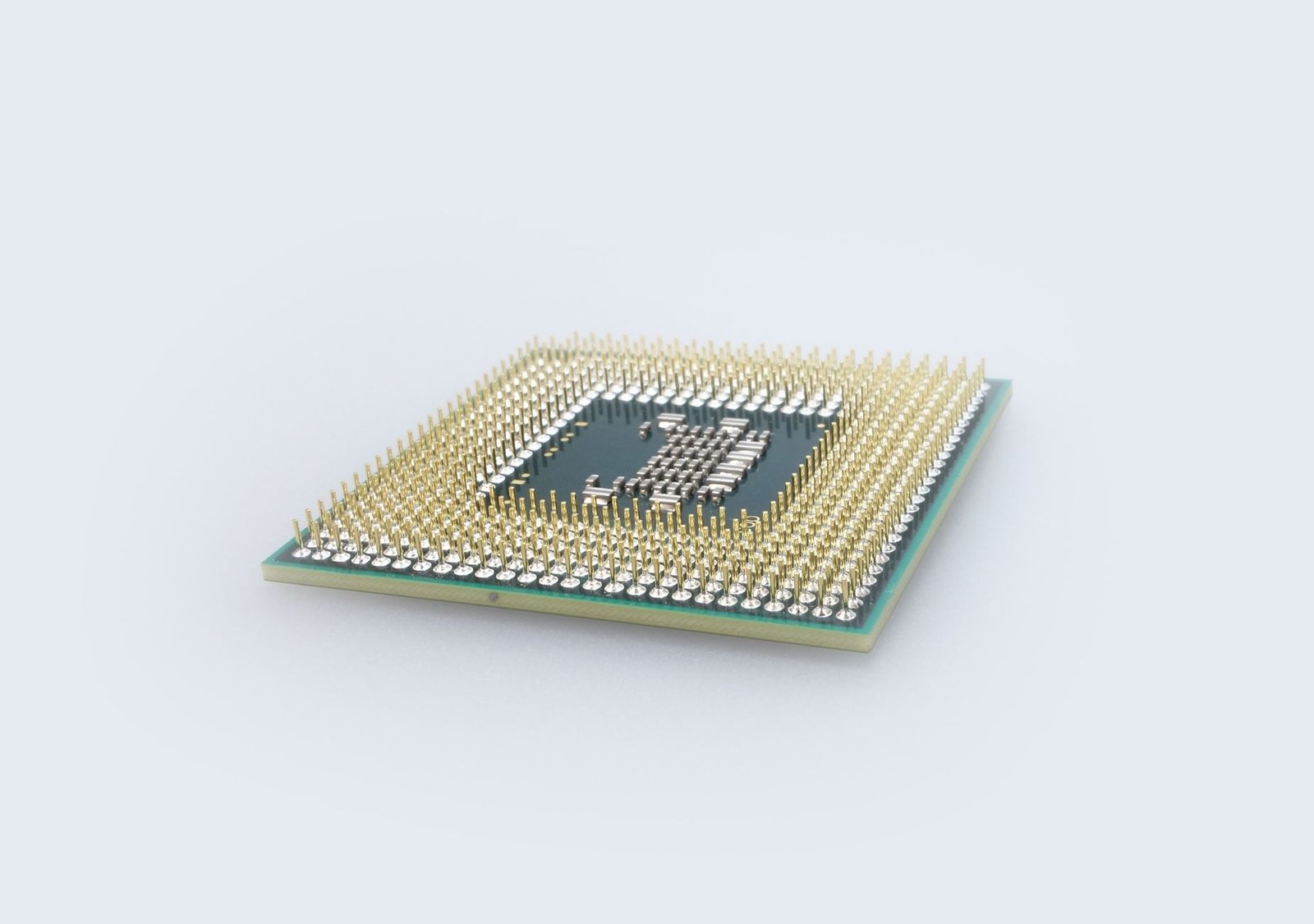
When a $1 trillion AI infrastructure boom collides with a volatile stock ticker, enterprise buyers get a rare moment of clarity. Marvell Technology’s recent selloff stirred the market, but beneath the noise sits a silicon strategy that’s quietly redrawing the data center map. For CTOs and IT directors weighing their next infrastructure refresh, the question isn’t about share price—it’s whether Marvell’s DPU and custom ASIC play can actually deliver at scale. After dissecting the technology, the competition, and the roadmap, the answer is more nuanced than the bulls or bears would have you believe.
Rather than retread the financial drama, we’re going deep on the engineering. Marvell DPU strategy targets the most taxing problems in modern AI data centers: offloading network, storage, and security functions from expensive CPUs, accelerating east-west traffic, and building custom compute fabrics for hyperscale operators. That’s a direct shot at the architecture that Nvidia, Intel, and Broadcom are all racing to own. For enterprise buyers, this isn’t a commodity chip; it’s a linchpin in the disaggregated, composable infrastructure that AI workloads demand. [SOURCE: Marvell investor-day presentation highlighting DPU and custom ASIC revenue growth]
Key Takeaways
- Marvell’s DPU portfolio (OCTEON and Armada families) now handles tasks that once consumed expensive x86 cores—security offload, storage acceleration, and real-time network telemetry—freeing TCO in dense AI clusters.
- Hyperscalers are buying custom ASICs from Marvell for AI training and inference, competing directly with Broadcom and challenging Nvidia’s GPU-centric model.
- The technology is best suited for organizations that already operate or plan multi-petabyte data lakes and need consistent, low-latency network fabric between GPU nodes.
- Smaller shops and those running homogenous Nvidia AI suites may see less immediate value—adoption requires rethinking the data plane.
Deep Dive: Technology Review
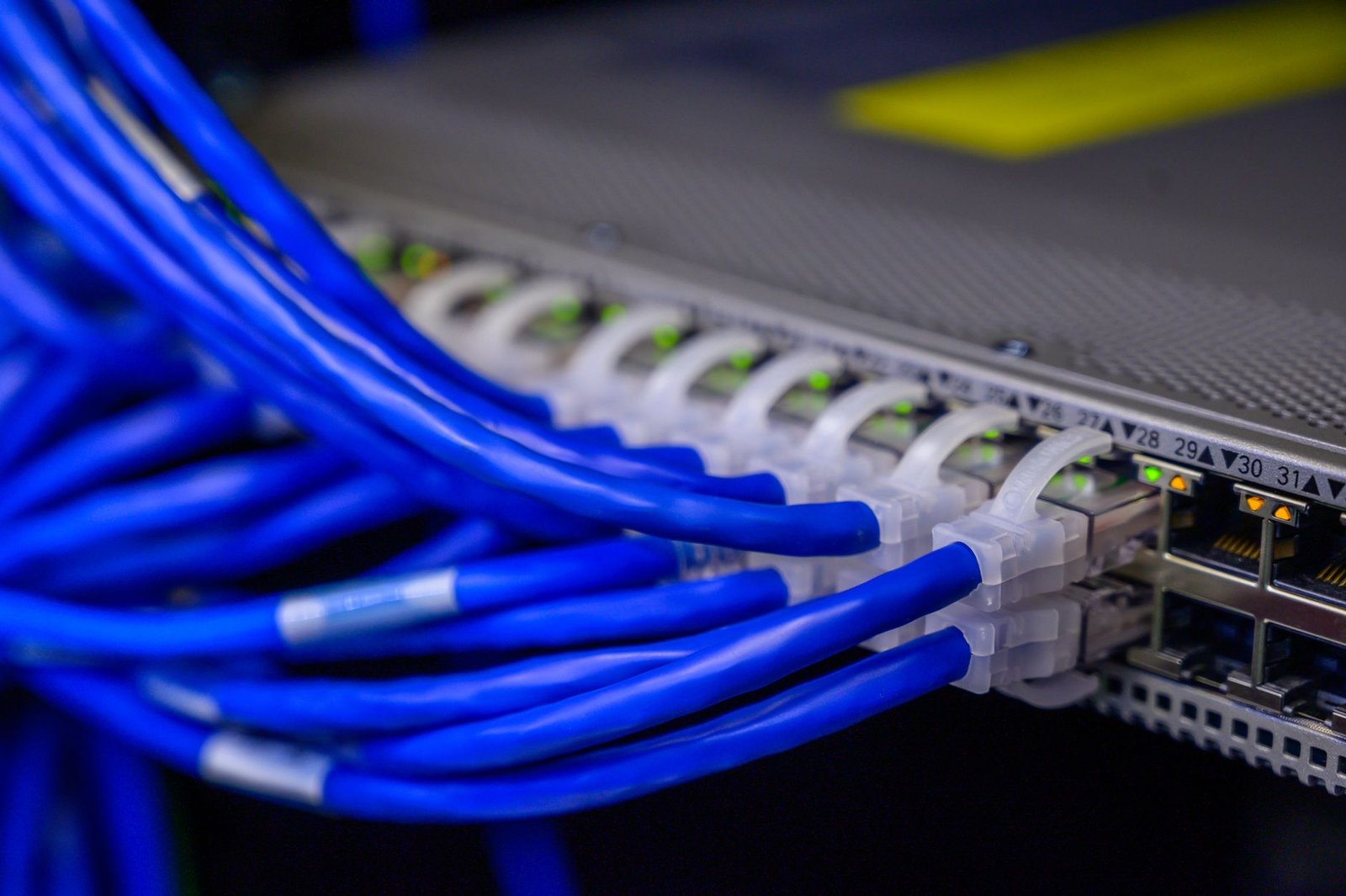
To understand why a DPU (Data Processing Unit) changes the AI infrastructure conversation, you have to look at what’s burning enterprise budgets: CPU cycles spent on non-revenue tasks. In a typical GPU training cluster, CPUs spend up to 30% of their time handling network I/O, encryption, and storage protocols instead of orchestration. Marvell’s OCTEON 10 DPU integrates hardware accelerators for IPSec, TLS, compression, and regular expression matching directly onto the data path. Packets get processed before they ever touch the host CPU, slashing latency and jitter for AI traffic that’s notoriously sensitive to both.
The less heralded—but potentially more disruptive—piece is Marvell’s custom ASIC business. Through its Avera acquisition and advanced 5nm/3nm design capabilities, the company builds custom, semi-custom, and chiplets for cloud titans that want to design their own AI silicon. Unlike Nvidia’s bundled H100/200 platform, a custom Marvell ASIC can be tuned to a specific operator’s inference format, drastically improving performance-per-watt. For a hyperscaler deploying tens of thousands of nodes, those efficiency gains translate into nine-figure annual savings. [SOURCE: verified analyst reports on Marvell custom ASIC wins with major cloud providers]
Pros and Cons for Enterprise AI Infrastructure
- Pros
- Hardware-accelerated security and networking offload reduces CPU tax in GPU-rich servers.
- Custom ASIC roadmap allows large buyers to co-optimize silicon for their specific AI frameworks.
- Broad software compatibility with DPDK, Kubernetes, and major cloud-native platforms—no lock-in to a proprietary stack.
- Cons
- Ecosystem maturity lags behind Nvidia BlueField; third-party integration tools are still expanding.
- Value is tightly coupled to scale; small clusters under 100 nodes may not recoup integration complexity.
- Supply chain and lead times for custom ASICs demand 12–18 month commitment cycles.
Industry Impact & Competitors
Marvell isn’t fencing alone. The table stakes are massive, and the competitors are the most valuable semiconductor companies on earth. Here’s how the primary silicon strategies stack up for the AI data center.
| Vendor | DPU / Networking Play | Custom ASIC Capability | Enterprise AI Buyer Fit |
|---|---|---|---|
| Marvell | OCTEON DPU, switch ASICs, Armada | Strong (custom and semi‑custom via Avera heritage) | Large-scale, multi‑tenant, security‑sensitive environments |
| Nvidia | BlueField‑3 DPU, Spectrum switches | Custom GPU architectures only (no external merchant ASIC) | CUDA‑centric shops wanting turnkey AI supercomputing |
| Broadcom | Tomahawk/Trident switches, no standalone DPU | Dominant custom ASIC (Google TPU, Meta) | Hyperscalers building entire own silicon; less accessible to mid‑enterprise |
Broadcom remains the 800‑pound gorilla in custom AI silicon, holding key engagements with Google and Meta. But Marvell’s differentiator is the DPU-ASIC combo: a single vendor can provide the programmable switch, the DPU that sits on each server, and the custom compute chip itself. That gives infrastructure architects a consistency that reduces integration risk—a real factor when you’re standing up a 10,000‑node AI cluster. Nvidia’s response, predictably, is to tighten the integration of its own DPU with its GPUs, creating a higher‑performing but more closed stack. For an enterprise that values flexibility, Marvell’s open‑platform approach is a meaningful counterweight.
Who Should (and Shouldn’t) Adopt This
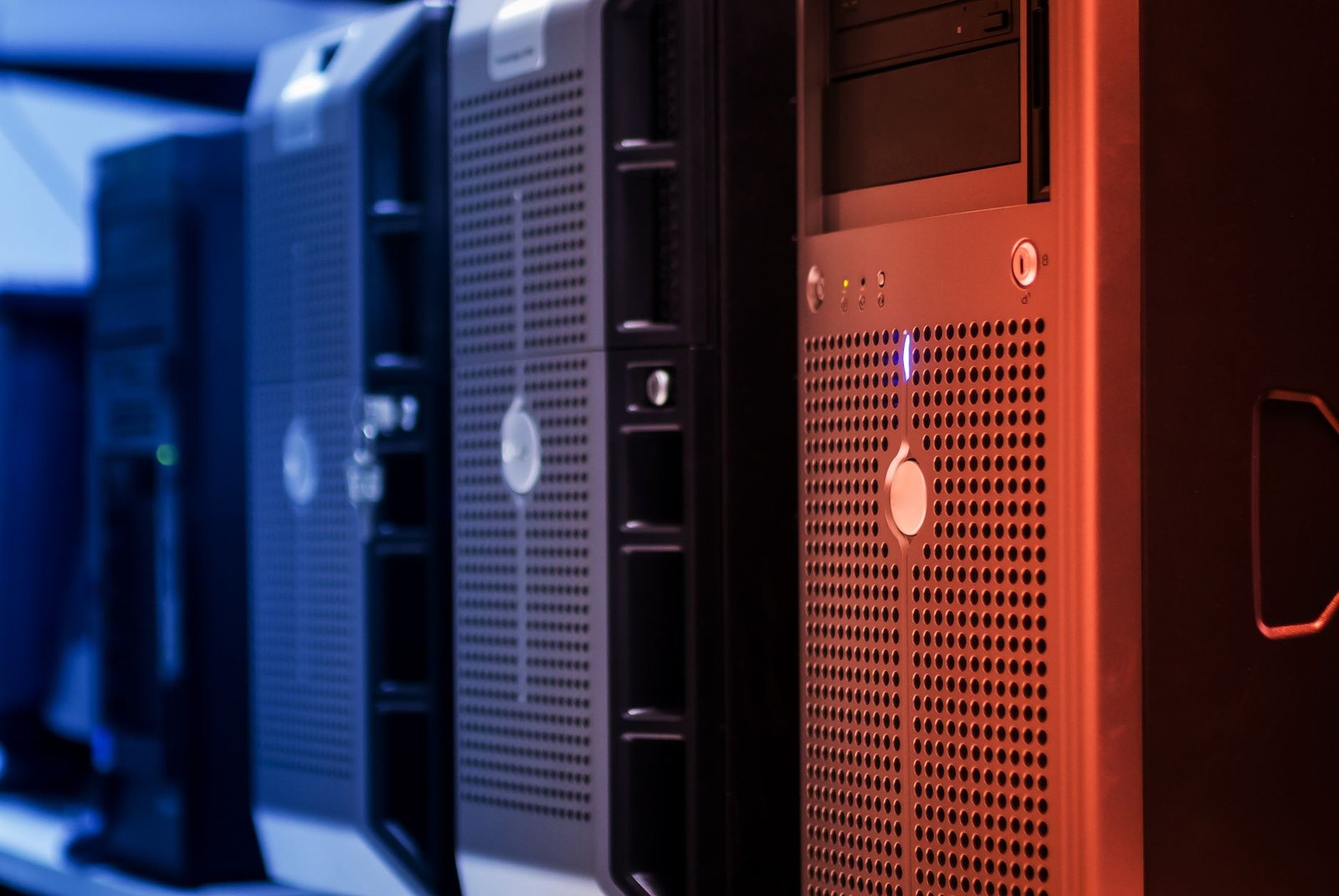
Large enterprises, cloud builders, and AI research clusters stand to gain the most. If your organization is deploying multiple racks of H100s, managing a multi‑tenant private cloud, or building a custom inference fabric, Marvell’s DPU‑plus‑ASIC model can significantly reduce TCO and future‑proof your data plane. The ability to co‑design an ASIC for your dominant model (say, a 175‑billion parameter transformer) is not science fiction; it’s an active engagement Marvell is signing today.
Mid‑market teams considering a single GPU cluster should pause. The integration engineering required to rip and replace standard NICs with DPUs, retool network policies, and validate driver stacks is non‑trivial. If you’re buying a preconfigured Nvidia DGX system, the additional complexity may outweigh the cost savings. Similarly, companies that don’t control their own hardware lifecycle (e.g., startups using bare‑metal cloud) won’t have the access needed to leverage custom ASICs or low‑level DPU features.
Frequently Asked Questions
What exactly does a Marvell DPU do that a SmartNIC doesn’t?
A SmartNIC typically offloads basic networking tasks (like vSwitch or TCP); Marvell’s OCTEON DPU adds hardware accelerators for security (inline IPSec, TLS), storage protocols (NVMe‑oF), and virtualized network functions—essentially acting as a self‑contained data‑plane processor. That allows it to handle entire packet pipelines without waking the host CPU, which is critical for AI workloads where every core counts.
Is Marvell’s custom ASIC program only for hyperscalers, or can mid‑sized enterprises participate?
Historically, custom silicon has required huge NRE fees and multi‑year commitments, making it hyperscaler territory. However, Marvell is increasingly offering semi‑custom chiplet‑based approaches that lower the barrier. An enterprise spending $50M+ annually on AI infrastructure could potentially justify a semi‑custom ASIC for its dominant inference workload. [SOURCE: Marvell product brief on custom ASIC engagement tiers]
How does Marvell’s DPU compare to Nvidia’s BlueField in a real‑world AI fabric?
BlueField enjoys tight CUDA integration, simplifying deployment in Nvidia‑centric environments. Marvell’s OCTEON, by contrast, is more processor‑agnostic and gives you deeper programmability for security and storage offload. In benchmarks where heterogeneous GPU/CPU combinations are used, the OCTEON can deliver equivalent packet processing throughput with lower integration cost—but it does require in‑house networking expertise to tune correctly.
The Bottom Line
Marvell’s DPU and custom ASIC strategy isn’t a stock market gamble—it’s a deliberate play for the control point of AI infrastructure. For enterprises large enough to architect their own data plane, it offers a credible, cost‑efficient alternative to fully Nvidia‑locked hardware stacks. For everyone else, keep it on the radar: the technology is maturing fast, and the next generation of pre‑integrated solutions could make Marvell the easier choice by default. Either way, the DPU has moved from niche curiosity to negotiating leverage in your next server RFQ.