Nvidia Physical AI: Fujitsu’s Game-Changer for Robotics
Nvidia Physical AI: Fujitsu’s Game-Changer for Robotics
Analysis by the Review Nest editorial team. We assess enterprise tech for real-world buyer fit, not hype.
Japanese industrial heavyweight Fujitsu has quietly joined forces with Nvidia, betting that nvidia physical ai — the convergence of high-fidelity simulation, generative AI, and real-world robotics — will redefine manufacturing. The move, which reportedly includes other leading Japanese robotics companies, signals a shift from traditional PLC-based automation toward AI‑driven, simulation‑to‑reality workflows that promise faster deployment and fewer costly hardware iterations.
Key Takeaways
- One vendor, one pipeline: Nvidia’s Isaac platform unifies synthetic data generation, reinforcement‑learning training, and on‑edge deployment, reducing integration overhead.
- Simulation fidelity matters: Omniverse‑powered digital twins let engineers test robot behaviors under thousands of edge cases before a single physical prototype is built.
- Enterprise‑grade, but GPU‑intensive: The stack demands high‑end NVIDIA GPUs both in the data center and on the robot; companies without existing GPU infrastructure will face a steep upfront cost.
- Not just a Japanese story: The architecture is global; any manufacturer with complex assembly, logistics, or inspection tasks can leverage the same toolchain.
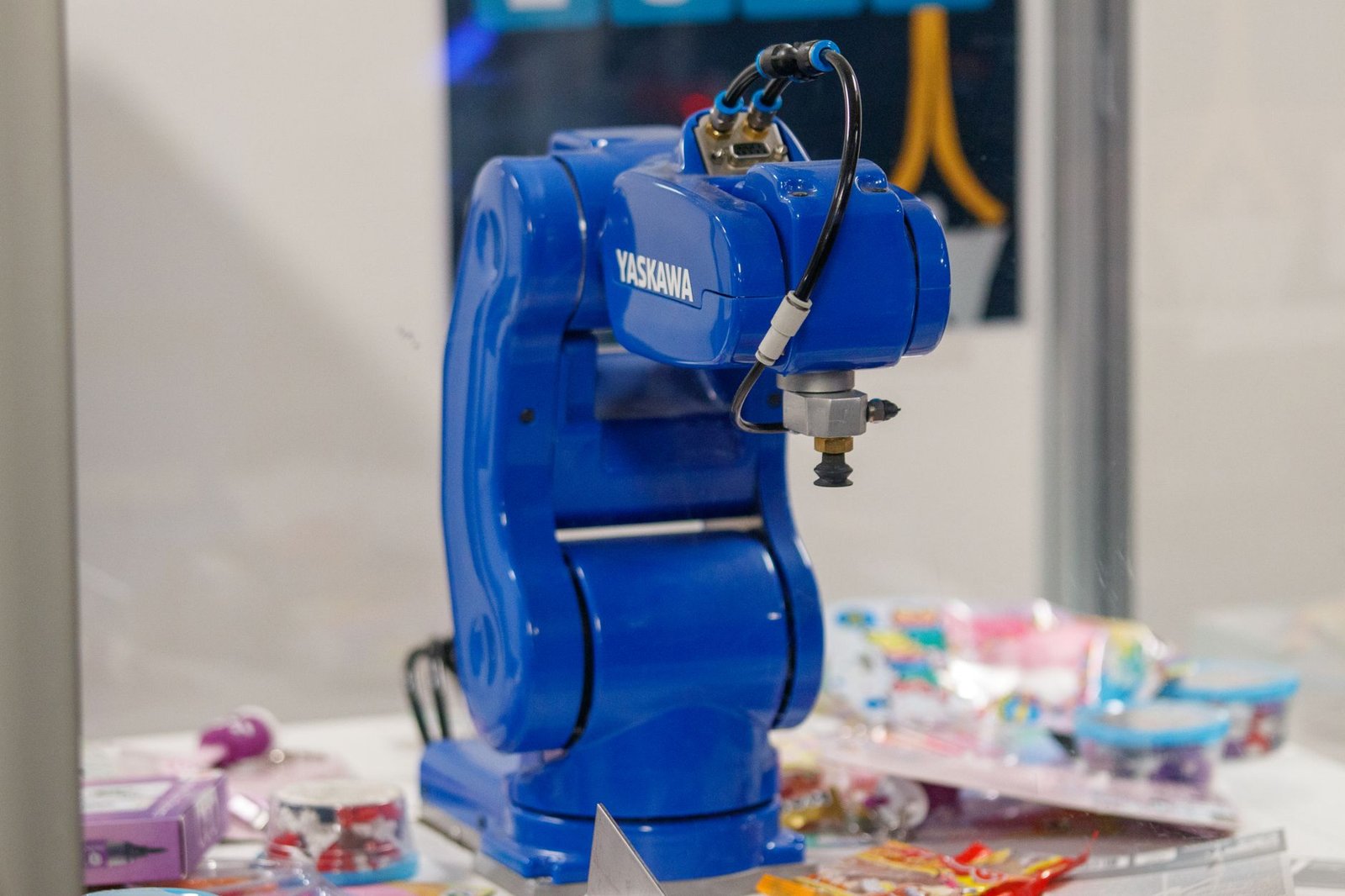
Deep Dive: Nvidia Physical AI Technology Review
Understanding nvidia physical ai
At the heart of Nvidia’s physical AI stack are three components that Fujitsu and its partners will likely employ:
- Isaac Sim: Built on Omniverse, this simulation environment lets developers generate photorealistic synthetic data and train reinforcement‑learning models at scale. A robotic gripper can practice millions of pick attempts in parallel, learning to handle unpredictable object shapes or lighting conditions before ever touching real hardware. (See our in-depth look at Nvidia Isaac for more, or visit the official Isaac Sim page for technical details.)
- Isaac ROS: A hardware‑accelerated collection of ROS 2 packages that brings GPU‑optimized localization, mapping, and manipulation algorithms to the open‑source ROS ecosystem. This bridges the gap between Nvidia’s proprietary tooling and the robotics community’s standard middleware.
- Jetson Orin modules: The on‑robot compute that runs the trained policies at the edge, delivering up to 275 TOPS of AI performance within tight power and thermal budgets.
Fujitsu’s specific role appears to revolve around system integration and scaling. The company has deep expertise in manufacturing execution systems (MES), digital twins, and factory‑floor IT/OT convergence. By stitching Nvidia’s tools into its own COLMINA manufacturing platform, Fujitsu could offer a ready‑made path from a CAD model of a new assembly cell to a fully trained, vision‑guided robot — something that typically takes months of manual programming.
Pros and cons for enterprise buyers:
- Pro: Reduced sim‑to‑real gap. High‑fidelity physics and ray tracing mean policies transfer with far less domain randomisation tweaking than with simpler simulators.
- Pro: Native multi‑robot coordination. Isaac Sim’s multi‑agent capabilities allow teams to simulate fleets of robots simultaneously, crucial for warehouse or logistics deployments.
- Con: Vendor lock‑in. The pipeline is strongly tied to Nvidia’s CUDA ecosystem and Omniverse file formats; migrating to alternative accelerators or simulators later is non‑trivial.
- Con: Skill gap. ROS2‑based workflows are manageable, but mastering Omniverse’s USD pipeline and Isaac Sim’s reinforcement‑learning framework requires a learning curve that smaller teams may find steep.

Industry Impact & Competitors
Nvidia’s push into physical AI intensifies competition with established industrial automation vendors and alternative AI‑robotics platforms. The table below maps the playing field.
| Feature / Offering | Nvidia Isaac + Omniverse | Intel RealSense + OpenVINO / ROS2 | Siemens Tecnomatix + custom AI |
|---|---|---|---|
| Simulation fidelity | Photorealistic, physics‑accurate; supports reinforcement learning natively | Basic 3D perception, limited rigid‑body physics; relies on external simulators | Solid for process simulation but AI training capability is third‑party |
| Edge hardware | Jetson Orin (up to 275 TOPS, GPU‑optimized) | Intel Core / Atom + RealSense cameras (CPU‑centric) | Depends on customer hardware; no proprietary edge AI module |
| ROS integration | Isaac ROS provides hardware‑accelerated GEMs | Strong ROS2 support via OpenVINO and industrial PCs | Weak; primarily uses proprietary interfaces |
| Typical buyer | Large manufacturers with complex tasks and existing GPU clusters | Cost‑sensitive factories needing simple pick‑and‑place or quality inspection | Companies standardized on Siemens PLM where AI is a bolt‑on |
Why this matters now: The partnership signals that Japan’s robotics sector — long reliant on hard‑coded trajectories and precise jigs — is moving toward flexible, AI‑driven operation. For component suppliers, the message is clear: machines that can adapt to variance without reprogramming will rewrite the make‑versus‑buy calculus. Expect a ripple effect where contract manufacturers and automotive Tier‑1 suppliers feel pressure to adopt similar stacks to remain competitive on cost and throughput. For a broader perspective on AI adoption in manufacturing, see our analysis of smart factory integration.
Meanwhile, the “physical AI” label itself is becoming a wedge. Nvidia’s ability to cross‑sell from data‑center AI (cuOpt, NeMo) into factory‑floor robotics creates a moat that Intel and AMD cannot easily breach, as neither has an equivalent closed‑loop simulation‑to‑edge ecosystem. However, Siemens and Rockwell Automation hold entrenched positions through their PLC and MES installed bases; a full‑scale Nvidia‑Fujitsu offering would need to coexist with — or displace — those systems, which is rarely frictionless. [SOURCE: Nvidia’s official blog post on Isaac and Omniverse for industrial robotics]
Who Should (and Shouldn’t) Adopt This
Who should seriously evaluate it:
- Large automotive and electronics manufacturers that already run GPU‑accelerated HPC/CAE workloads and need flexible automation for mixed‑model assembly.
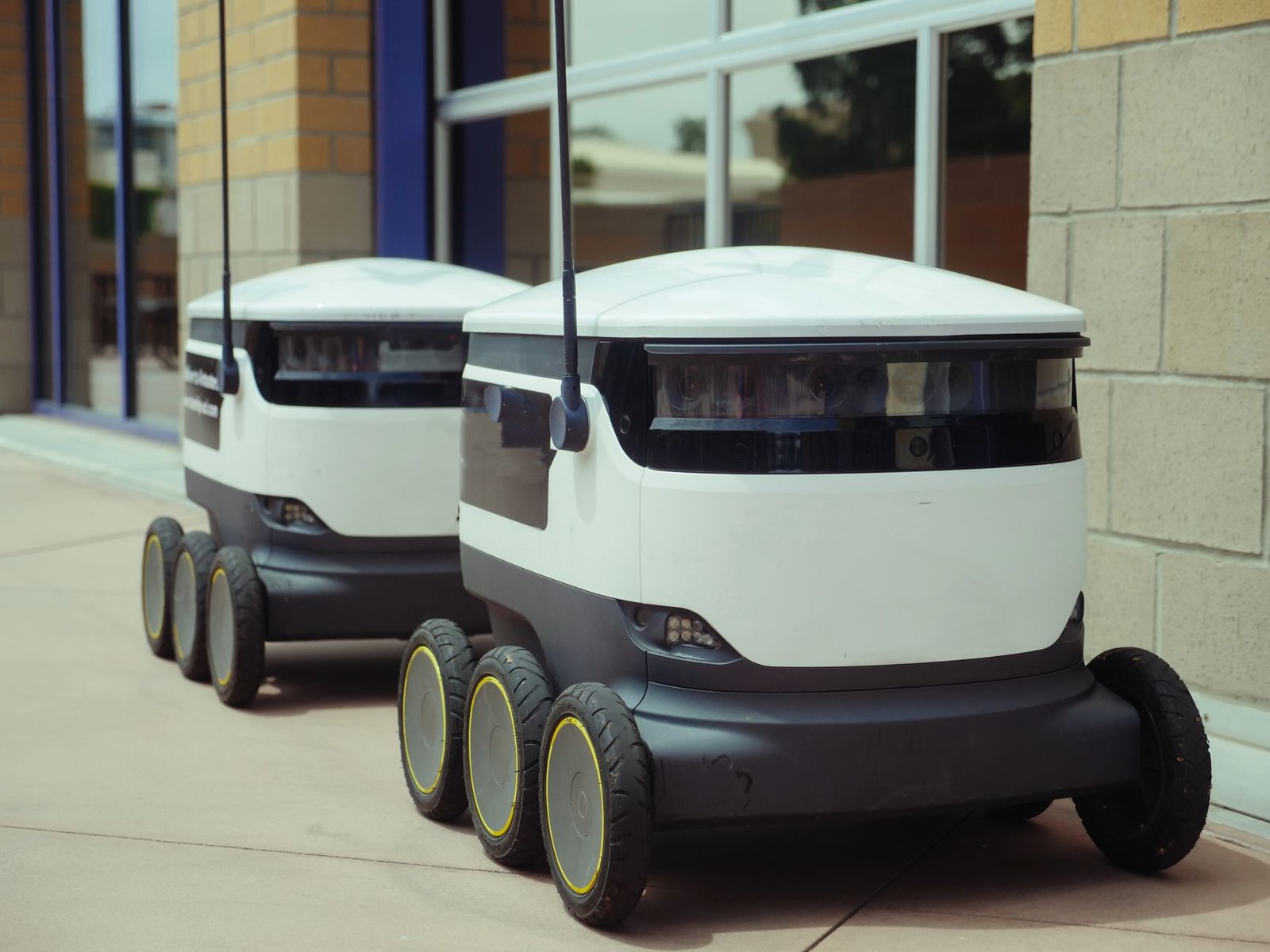
- Logistics and warehousing operators deploying fleets of AMRs where simulation‑trained navigation and manipulation can cut mapping and commissioning time by 40% or more (according to early case studies).
- System integrators aiming to differentiate with AI‑first automation offerings; partnering with Nvidia and Fujitsu could accelerate delivery of complex cells.
Who should wait or look elsewhere:
- Small machine shops or low‑volume producers with only a handful of robots; the GPU investment and simulation‑setup effort likely won’t pay back quickly.
- Companies in heavily regulated sectors (e.g., nuclear, some defense) where full‑stack vendor lock‑in and black‑box AI decision‑making may raise compliance flags.
- Operations that already have a ROS2‑based custom pipeline on commodity hardware; forcing a migration to the Isaac ecosystem might disrupt working systems without sufficient ROI.
Frequently Asked Questions
What exactly is “physical AI”?
Physical AI refers to AI models that connect digital simulations with real‑world sensor data, enabling robots to perceive, plan, and act in physical spaces. It’s the union of generative AI, deep learning, and physics‑based simulation, allowing machines to learn tasks in a virtual environment and transfer those skills to the factory floor with minimal reality gap. [SOURCE: Nvidia corporate glossary]
How does Nvidia’s platform benefit robotics integrators?
The platform provides an end‑to‑end toolchain — from photorealistic simulation in Omniverse Isaac Sim to hardware‑accelerated ROS packages to ready‑to‑deploy edge modules. Integrators can develop and validate entire robotic cells before ordering a single piece of steel, drastically reducing commissioning time and rework. It also enables one‑click deployment of trained policies to Jetson‑powered robots, standardizing the hand‑off between simulation engineers and field technicians.
Is Nvidia’s physical AI stack prohibitively expensive for mid‑sized manufacturers?
The upfront cost can be considerable if the manufacturer lacks existing Nvidia GPU clusters. However, cloud‑based simulation options on Nvidia DGX Cloud or AWS instances with GPUs lower the barrier to entry for companies that are not yet ready to buy on‑prem hardware. Over a three‑year lifecycle, savings from reduced downtime, fewer mechanical prototypes, and faster reprogramming can offset the initial licensing and hardware spend — but a thorough TCO analysis is essential. [SOURCE: Independent robotics integrator case studies]
The Bottom Line
Fujitsu’s adoption of Nvidia physical AI is not just a regional win — it’s a bellwether for how large manufacturers plan to escape the rigid automation trap. For CTOs and IT directors, the takeaway is twofold: first, the sim‑to‑real gap that plagued earlier AI‑robotics attempts is shrinking fast; second, vendor consolidation around Nvidia’s ecosystem is accelerating, making now the time to pilot before the talent and integration pathways solidify around a single stack. Approach it as you would any enterprise platform play: insist on a proof of concept, measure TCO against a ROS2/custom‑hardware baseline, and keep one eye on the inevitable Siemens‑Nvidia collision that will reshape the industrial automation landscape.