Qualcomm’s Enterprise Connectivity Game-Changer: What It Means
Qualcomm’s Enterprise Connectivity Game‑Changer: What It Means
Analysis by the Review Nest editorial team. We assess enterprise tech for real‑world buyer fit, not hype.
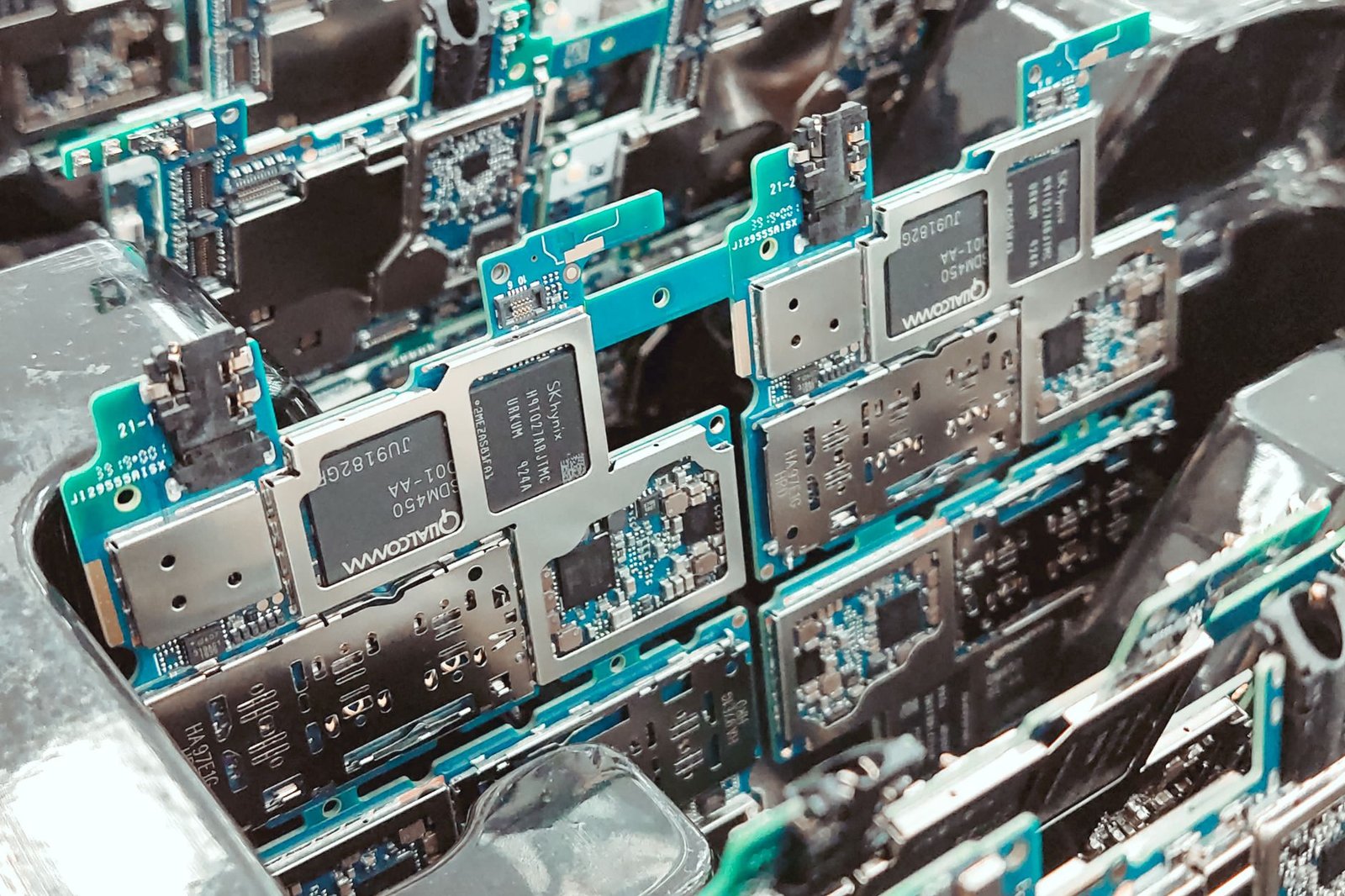
Qualcomm just dropped a connectivity bombshell at its Investor Day 2026—and the reverberations will be felt in every office, factory, and campus that depends on flawless wireless performance. Under the banner of “Connectivity Technology Large,” the company unveiled a tightly integrated portfolio that marries Wi‑Fi 7, 5G private networks, and on‑device AI in ways that promise to make legacy enterprise networking look like dial‑up.
For CTOs and IT directors, the message is clear: Qualcomm enterprise connectivity is no longer a component supplier’s nice‑to‑have—it’s becoming the architectural centre of gravity for end‑to‑end wireless strategy. In this deep‑dive, we move beyond the headline glitz to examine the genuine technical levers, the competitive landscape, and the practical adoption scenarios that will determine whether this is a must‑buy or a wait‑and‑see.
Key Takeaways
- AI‑native connectivity is the core differentiator, not just faster radios. Qualcomm’s FastConnect 7900 uses an on‑chip AI engine to manage link aggregation, interference mitigation, and seamless roaming—features that directly benefit high‑density enterprise deployments.
- Convergence of Wi‑Fi 7 and 5G isn’t a future concept. The new Snapdragon X80 modem‑RF system and FastConnect stack can operate in tandem, enabling devices to intelligently switch between private 5G and Wi‑Fi without dropping sessions.
- Enterprise‑grade security moves from the network edge to the silicon, with hardware‑rooted device attestation and zero‑trust overlays built into the connectivity platform—a boon for regulated industries.
- Competitive moat is real but not impenetrable. While Qualcomm’s AI‑optimised fabric is ahead, MediaTek and Intel are closing the gap, forcing buyers to evaluate short‑term performance gains against long‑term vendor lock‑in.
Deep Dive: Technology Review
At the heart of the Investor Day reveal lie two chipsets that will dominate enterprise device roadmaps for the next three years: the FastConnect 7900 mobile connectivity system and the Snapdragon X80 5G modem‑RF. While standalone specifications—like multi‑link operation (MLO) with four simultaneous links and 320 MHz channels for Wi‑Fi 7—are impressive, the true innovation is the “Connectivity AI Engine” integrated on the FastConnect die.

This tiny AI block processes real‑time spectral data from the Wi‑Fi and Bluetooth PHYs, making sub‑millisecond decisions about link aggregation, dynamic frequency selection, and antenna beamforming. For enterprise IT, that translates into three concrete benefits:
- Seamless roaming across APs without the ping‑pong effect that plagues VoWLAN and real‑time collaboration apps. The AI engine predicts the best access point before signal degrades, effectively cutting re‑association latency to near‑zero.
- Intelligent 5G‑offload in private networks. When a device moves from a factory’s licensed 5G spectrum to an indoor Wi‑Fi 7 mesh, the handoff is managed at the PHY level, preserving TCP sessions and eliminating VPN re‑negotiation.
- Bluetooth Audio and IoT coexistence. In a conference room crowded with headsets, mice, and IoT sensors, the AI‑driven scheduler avoids collision, maintaining reliable throughput for business‑critical data streams.
The X80 modem‑RF system complements this with support for 8‑carrier aggregation on sub‑6 GHz, standalone 5G NR for private networks, and satellite connectivity fallback—features that enable a truly ubiquitous WAN for field workers and pop‑up sites. However, the power‑envelope gains (roughly 25 % more efficient than the preceding X75, per Qualcomm’s claims) matter most for battery‑powered industrial tablets and ruggedised scanners that must last a full shift.
Pros and Cons
- Pros: Unified AI fabric eliminates manual network tuning; future‑proofed for Wi‑Fi 7 and 5G‑Advanced; hardware‑rooted encryption and attestation reduce the attack surface.
- Cons: Requires Qualcomm‑based endpoint silicon to unlock full stack—no standalone networking hardware sold directly to enterprises; AI features depend on firmware maturity and ongoing AP vendor integration.
Industry Impact & Competitors
Qualcomm’s push forces every enterprise networking vendor to rethink their radio‑to‑application pipeline. The table below compares the three principal connectivity chipsets that will ship in enterprise‑grade laptops and IoT endpoints in the coming year.
| Feature | Qualcomm FastConnect 7900 | MediaTek Filogic 380 | Intel BE200 (Wi‑Fi 7) |
|---|---|---|---|
| Wi‑Fi Generation | 7 (802.11be), MLO with 4 links | 7 (802.11be), MLO with 3 links | 7 (802.11be), MLO 2 links |
| Peak Theoretical Speed | 10 Gbps (160 MHz + 320 MHz channels) | 6.5 Gbps | ~5 Gbps (2×2 MIMO) |
| On‑Chip AI Engine | Yes (dedicated Hexagon NPU slice) | Limited (DSP‑based) | None |
| Bluetooth | 5.4 with LE Audio and Auracast | 5.3 | 5.4 |
| 5G Coexistence | Tightly coupled with X80 modem, joint PHY scheduling | Separate modem‑centric handoff | Host‑driven via Intel CNVio link |
| Enterprise Security | Hardware‑rooted device identity, runtime attestation | Standard WPA3‑Enterprise | Intel vPro integration, no RF‑layer attestation |
The AI‑engineered coexistence and joint scheduling clearly give Qualcomm an edge for use cases that demand deterministic roaming—think automated guided vehicles in warehouses or augmented‑reality picking tools. MediaTek’s Filogic platform remains a cost‑effective alternative for standard office productivity, while Intel’s BE200 will likely dominate the corporate laptop fleet simply because of vPro brand loyalty. This fragmented reality means enterprise buyers must evaluate the entire endpoint‑to‑AP chain, not just the individual chipset spec.

A second‑order effect is the shift toward open‑standard APIs at the connectivity layer. Qualcomm’s AI engine exposes a telemetry SDK that lets ISVs build predictive applications—for example, a UCaaS client that reserves spectrum before a critical video call. While this fosters an ecosystem, it also ties the application stack more tightly to Qualcomm silicon, a classic embrace‑and‑extend pattern that open‑networking advocates will scrutinise.
Who Should (and Shouldn’t) Adopt This
Ideal Adopters
- Large enterprises with dynamic Wi‑Fi environments—corporate campuses, co‑working spaces, university lecture halls—will benefit most from AI‑driven roaming and interference management.
- Industry 4.0 and logistics operators deploying private 5G alongside Wi‑Fi. The unified radio software stack eliminates the need for multiple terminal profiles.
- Field‑service organisations equipping workers with rugged tablets that must blend satellite, 5G, and Wi‑Fi seamlessly.
- Healthcare providers rolling out real‑time patient monitoring and AR‑assisted surgery—scenarios where millisecond‑level connection continuity is non‑negotiable.
Who Should Wait or Pass
- Small and mid‑sized businesses with flat, single‑AP networks. The AI engine adds little value when roaming is unnecessary.
- Organisations heavily invested in a heterogeneous endpoint fleet (e.g., a mix of Apple, Dell, and Lenovo devices) because the full AI‑connectivity benefits only light up on Qualcomm‑equipped clients.
- Shops that insist on open‑source, multi‑vendor network operating systems—the SDK lock‑in may conflict with procurement policies valuing hardware abstraction.
Frequently Asked Questions
What is Qualcomm’s FastConnect 7900 and how does it improve enterprise connectivity?
The FastConnect 7900 is a mobile connectivity chipset that integrates Wi‑Fi 7, Bluetooth 5.4, and an on‑chip AI engine. For enterprises, it improves connectivity by using real‑time spectral analysis to automatically select the best access point, aggregate multiple Wi‑Fi bands, and seamlessly switch between Wi‑Fi and private 5G—eliminating dropped calls, jittery video, and manual IT intervention.
Will Qualcomm’s connectivity technology replace traditional enterprise Wi‑Fi infrastructure?
No. The FastConnect 7900 and X80 modem‑RF are endpoint‑side technologies. They supercharge the client device’s ability to connect, but they still rely on existing access points and 5G small cells from infrastructure vendors (Cisco, Aruba, Nokia, etc.). The technology complements, rather than replaces, the back‑end network.
How does Qualcomm’s 5G integration benefit enterprise mobility?
By tightly coupling the X80 modem with the FastConnect Wi‑Fi stack at the physical layer, a single‑chip solution enables a joint scheduling mechanism that decides in sub‑millisecond time whether to route traffic over licensed 5G spectrum or unlicensed Wi‑Fi. This gives field workers and autonomous robots a continuous, optimised connection without ever needing to reconnect or re‑authenticate, even when moving between indoor and outdoor zones.
The Bottom Line
Qualcomm is transforming enterprise connectivity from a set of discrete radios into an AI‑orchestrated, always‑optimised fabric. For IT leaders who prioritise seamless roaming, converged 5G/Wi‑Fi, and hardware‑rooted security, this is a compelling strategic bet. However, the value is contingent on deploying Qualcomm‑powered endpoints end‑to‑end—a decision that demands careful vendor‑ecosystem planning. Those who get the architecture right could unlock a genuine step‑change in workforce productivity; those who don’t may find themselves paying a premium for AI silicon that never gets to shine.