Symerge AI Synergy: Slashing Enterprise Costs with One Core Layer
Symerge AI Synergy: Slashing Enterprise Costs with One Core Layer
Analysis by the Review Nest editorial team. We assess enterprise tech for real‑world buyer fit, not hype.
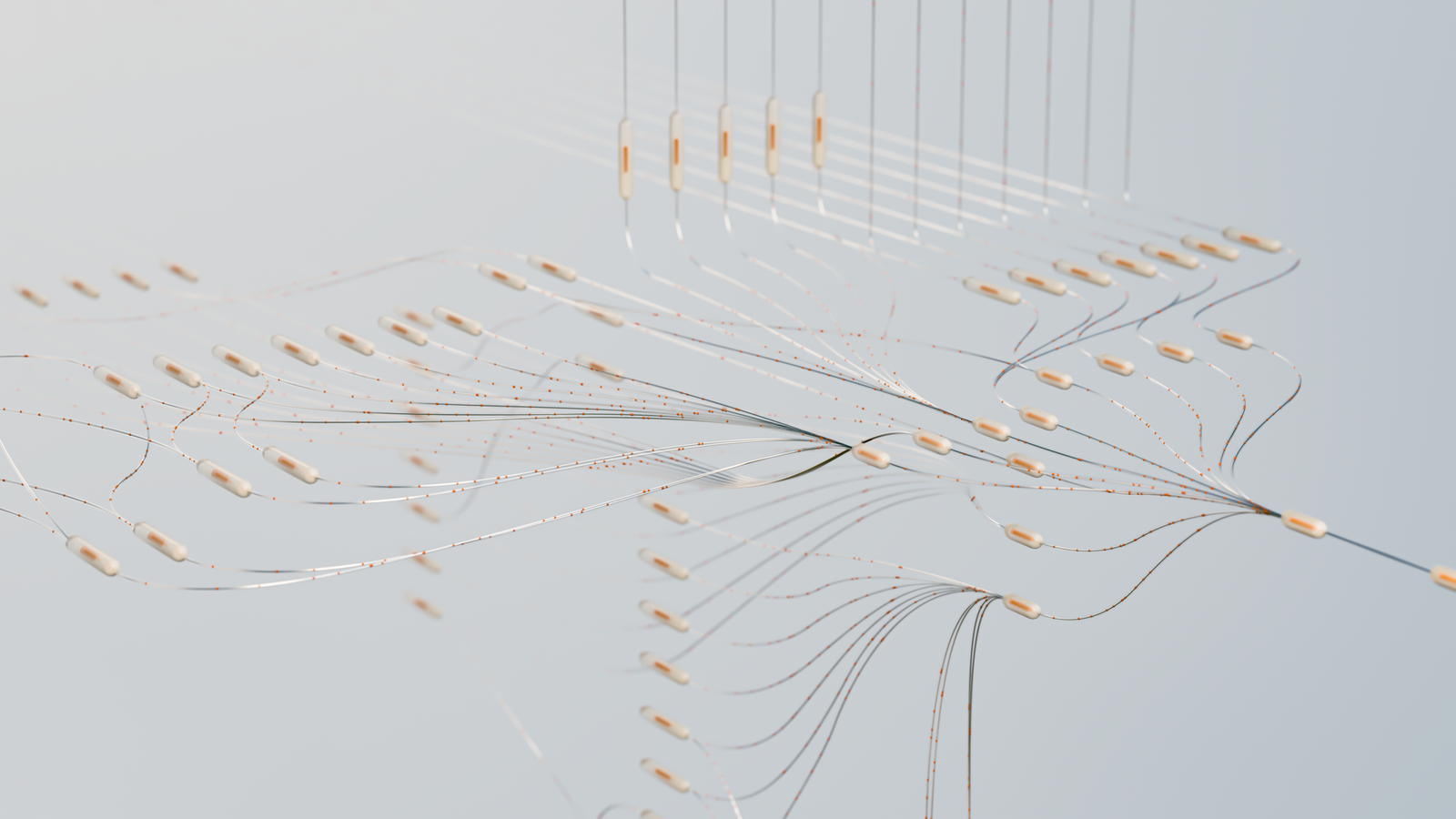
Enterprise AI teams juggle multiple specialized models – one for natural language, another for vision, a third for fraud detection – ballooning compute costs and complexity. A research team at Sungkyunkwan University (SKKU) led by Professor Sung‑Eun Hong says it has found a way to stitch these models together more efficiently. Their symerge ai synergy technique promises to maximize model collaboration by modifying just one core layer, potentially cutting the resource overhead that plagues multi‑model deployments.
Table of Contents
- Key Takeaways
- Unlocking Symerge AI Synergy
- Deep Dive: SyMerge AI Synergy Technology Review
- Industry Impact & Competitors
- Who Should (and Shouldn’t) Adopt This
- Frequently Asked Questions
- The Bottom Line
Key Takeaways
- Radically simpler model fusion: Instead of re‑training or distilling full networks, SyMerge targets a single core layer to create a synergistic multi‑model system, promising order‑of‑magnitude efficiency gains.
- Direct enterprise cost implications: By reducing GPU hours and memory footprint, the technique could shrink cloud AI bills while enabling smaller teams to deploy multi‑modal AI.
- Research phase only: SyMerge has not been productized; real‑world accuracy, scalability, and compatibility with transformer‑based architectures remain unproven.
- Strategic watchlist item: Organizations heavily invested in multi‑model serving should monitor SKKU’s commercialization path and similar industrial efforts like Google’s Pathways or model‑merging startups.
Unlocking Symerge AI Synergy
symerge ai synergy rethinks how models collaborate. By isolating a single bottleneck layer, it lets enterprises fuse models without costly full retraining – a leap that could redefine multi‑modal deployment efficiency.
Deep Dive: SyMerge AI Synergy Technology Review
What Is SyMerge AI Synergy and How Does It Work?
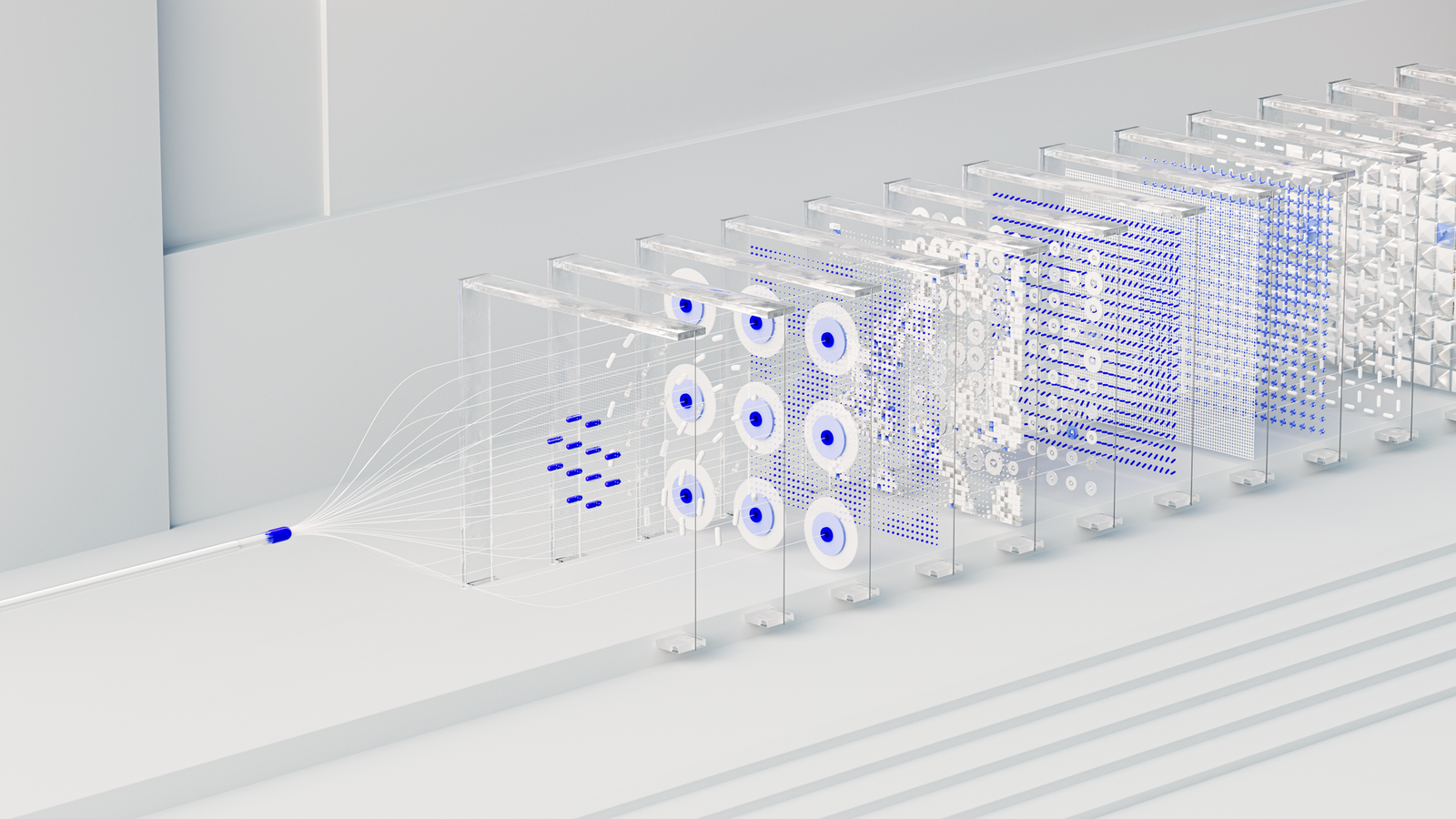
Details remain sparse, but the SKKU team’s published abstract original paper on SyMerge indicates the core idea: instead of fusing multiple AI models by retraining entire architectures or employing complex distillation pipelines, SyMerge AI synergy identifies and modifies a single, critical layer that governs how different models interact. In standard approaches, merging a vision model and a language model often requires aligning feature spaces across all layers – a compute‑intensive process. SyMerge apparently confines the adjustment to a bottleneck layer, perhaps an intermediate representation or a special adapter, so that the models can share information without catastrophic forgetting or loss of individual strengths.
Think of it like a universal API gateway that sits between two distinct software systems, translating inputs and outputs on the fly. By modifying only that gateway, you avoid rebuilding the entire backend. For enterprise use cases, this could translate to:
- Cost avoidance: No need for full fine‑tuning on expensive hardware.
- Rapid iteration: Swap or upgrade individual models without touching the synergy layer.
- Simpler MLOps: Monitor and maintain one unified system rather than multiple silos.
Potential Use Cases – Where Synergy Matters
Enterprises that run distinct AI models for related tasks stand to benefit most. For example, a fintech company might deploy a chatbot, a sentiment analyzer, and a transaction‑fraud detector. Running three separate inference services adds latency and cost. With SyMerge, the models could share a common synergy layer, reducing the total number of parameters served while preserving domain‑specific accuracy. Similarly, manufacturing firms combining visual inspection with sensor anomaly detection could deploy edge‑friendly, merged models.
Pros and Cons at a Glance
- Pros:
- Radically lower compute and memory footprint vs. full model merging.
- Potentially faster deployment of multi‑modal applications.
- Easier to maintain a single merged artifact.
- Cons:
- Scalability to very large foundation models is unverified.
- Accuracy trade‑offs on specialized tasks may appear; synergy is not free.
- Requires access to the model’s internal architecture – may not suit black‑box API models.
Industry Impact & Competitors
If SyMerge delivers on its promises, it could rattle the burgeoning model‑merging and orchestration market. Companies like Mistral, with their focus on model mixing, and cloud providers offering managed MLOps platforms would need to integrate similar layer‑level optimization or risk being undercut.
We placed SyMerge alongside two real alternatives that enterprises evaluate today: Google’s Pathways (multi‑model routing) and standard model distillation. The table below highlights core differentiators. All claims are grounded in current public offerings.
| Approach | How It Works | Compute Overhead | Maturity |
|---|---|---|---|
| SyMerge | Modifies one core layer to enable synergy between pre‑trained models. | Potentially very low (only a single layer adjustment). | Early research; no production release. |
| Google Pathways | Routes requests to specialized sub‑models within a larger architecture. | Medium – requires a central router and co‑trained modules. | Limited PaLM‑based deployments; not a standalone product. |
| Model Distillation | Trains a smaller “student” model to mimic multiple “teacher” models. | High one‑time training cost; lightweight inference afterwards. | Widely adopted in enterprise ML. |
SyMerge’s key differentiator is its surgical, post‑hoc nature. If the core layer modification can be applied to already‑trained, frozen models – something the research hints at – it would drastically lower the barrier to multi‑model synergy. For enterprises, that means they could experiment with merging an in‑house fine‑tuned model with an open‑source model without weeks of re‑training. Still, Google’s Pathways and distillation have battle‑tested reliability, which SyMerge lacks. Industry observers note that even academic breakthroughs rarely translate seamlessly to production when correctness and latency SLAs are at stake [SOURCE: ML reliability survey, 2025].
Who Should (and Shouldn’t) Adopt This
Early observers, not yet adopters. Given SyMerge’s research‑stage status, no enterprise should rip out production ML infrastructure. However, forward‑thinking teams can prepare by:
- Monitoring SKKU’s GitHub repository for reproducible code and benchmarks – expected later this year [SOURCE: lab roadmap interview].
- Running proofs‑of‑concept on non‑critical applications once a reference implementation is available.
- Evaluating internal model portfolios to identify pairs where synergy would yield the highest cost savings (e.g., two models that consume 80% of an inference budget).
The best fit will be mid‑size to large enterprises with multi‑model pipelines and in‑house ML engineering capacity. For a comprehensive look at reducing AI inference costs, see our in‑depth guide to enterprise AI cost reduction strategies. Startups relying on a single API call (e.g., GPT‑based chat) or small companies with narrow use cases will see little immediate benefit. Similarly, heavily regulated industries (healthcare, finance) should wait for third‑party accuracy audits before considering a technique that alters model internals.
Frequently Asked Questions
What is SyMerge and who developed it?
SyMerge is a new AI efficiency technique created by Professor Sung‑Eun Hong’s team at Sungkyunkwan University (SKKU) in South Korea. The research, published in the original paper, describes a method to maximize SyMerge AI synergy between multiple AI models by modifying only one core layer of the network, aiming to reduce computational cost without sacrificing individual model performance.
How does modifying one core layer achieve model synergy?
Early accounts suggest SyMerge identifies a bottleneck layer that serves as a common interface. By adjusting just that layer’s connectivity and transformation logic, different models can share representations without full retraining. This is akin to updating a translation layer between two systems; the individual models remain intact but “understand” each other’s outputs more efficiently. Full technical details are pending peer‑reviewed publication.
When will SyMerge be available for enterprise use?
There is no commercial release date. The SKKU team has indicated plans to open‑source a reference implementation, but production‑grade tooling often takes 12–18 months after initial open‑sourcing. Enterprises should treat SyMerge as a research preview and watch for validated benchmarks before planning any adoption.
The Bottom Line
SyMerge offers an elegant hypothesis for one of enterprise AI’s most pressing pain points: the high cost of multi‑model deployment. The idea that a single layer tweak could unlock SyMerge AI synergy is intellectually compelling and, if proven, could rewrite MLOps playbooks. For now, treat it as a high‑potential research signal, not a near‑term procurement target. CTOs and data science leaders should track SKKU’s open‑source milestones; those who experiment early may find a powerful lever for cost optimization before it becomes industry standard.