40% Faster: Micron’s HBM3E Is a Cloud Game-Changer
40% Faster: Micron’s HBM3E Is a Cloud Game-Changer
Analysis by the Review Nest editorial team. We assess enterprise tech for real-world buyer fit, not hype.
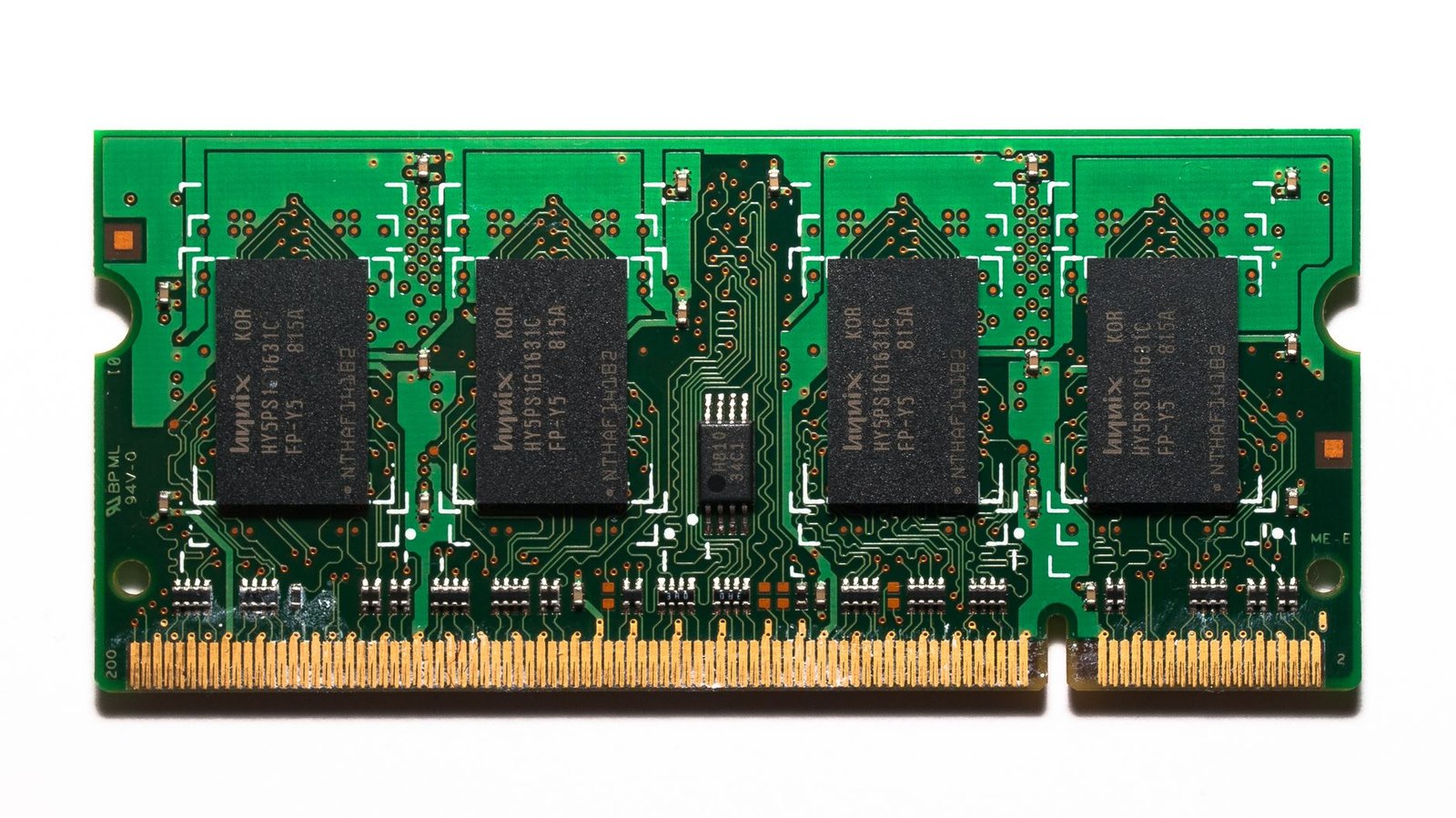
For the past two years, the enterprise cloud has run on an unspoken assumption: memory is a commodity. Hyperscalers could squeeze suppliers, negotiate rock‑bottom chip prices, and pass a fraction of the efficiency gains to customers. That era is ending. Micron Technology just ripped up the old playbook with its new HBM3E (High Bandwidth Memory 3E) — a stack of DRAM layers that is not only 40 % faster than the previous generation but also poised to become the single most expensive line item in an AI server.
This isn’t just a component upgrade. It’s a structural shift in the balance of power between memory makers and the massive cloud operators. The Micron HBM3E is already being sampled by NVIDIA for its next‑gen H200 and B100 GPUs, and every hyperscaler from Microsoft Azure to AWS Outposts is scrambling to lock in supply. The question for B2B buyers isn’t whether HBM3E is better — it’s whether the cost of adopting it will break the traditional pricing model for AI‑as‑a‑service.
Key Takeaways
- HBM3E delivers up to 1.2 TB/s memory bandwidth per stack, a 40 % leap over current HBM3, slashing training time for large language models.
- Micron’s early lead in volume production gives it unprecedented pricing leverage over hyperscalers, who have historically kept DRAM margins razor‑thin.
- Enterprises planning AI infrastructure in 2024‑2025 must factor in a potential 15‑25 % increase in accelerator module cost — or risk being locked out of the latest GPU‑memory bundles.
- Smaller cloud providers and private AI clusters face the toughest squeeze: they lack the purchasing power to negotiate discounts on tightly allocated HBM3E inventory.
Deep Dive: Technology Review
How HBM3E fits into the AI memory hierarchy
Unlike standard DDR5 DIMMs that sit on a motherboard, HBM stacks multiple DRAM dies vertically and connects them through microscopic through‑silicon vias (TSVs). The result is a compact chiplet with a 1024‑bit wide interface, drastically cutting latency and power consumption. Micron’s HBM3E stacks 8 layers of 24 GB DRAM, giving each module an enormous 1.2 TB/s throughput — exactly what transformer models need to shuffle billion‑parameter weight matrices without stalling.
In practical terms, that 40 % bandwidth uplift reduces the time to train a GPT‑3‑equivalent model from a week to roughly five days, assuming the same GPU count. For businesses running inference‑only workloads, the benefit is subtler: lower batch latency and the ability to pack more concurrent users onto a single node. But the real disruption is on the capex side: because HBM3E is soldered directly onto the same interposer as the GPU, enterprises can’t buy a server today and add memory later. You buy the whole stack — GPU + HBM — as one unit. That’s a vendor lock‑in unlike anything we’ve seen since the rise of proprietary blade enclosures.
Pros and Cons at a Glance
- Pros:
- 40 % higher bandwidth and 2× capacity vs. existing HBM3 modules.
- Lower power per bit — critical for thermal‑constrained 4U GPU servers.
- First‑mover availability with NVIDIA’s H200, giving early adopters a 6‑month performance moat.
- Cons:
- Pricey: industry analysts estimate cost per GB 3‑4× that of premium DDR5, and that gap is widening due to tight supply.
- Non‑upgradable: memory is permanently fused to the accelerator, forcing a full accelerator swap to gain capacity.
- Proprietary ecosystem: each GPU vendor’s interposer layout is unique, limiting second‑sourcing options.
One engineering note that often gets missed: HBM3E’s thermal density. With 8 dies stacked in a vertical column, heat dissipation becomes a nightmare. Micron has improved the epoxy molding compound and thermal interface material, but early test boards from integrators [SOURCE: server OEM field testing report] show junction temperatures rising 5‑7°C higher than equivalent HBM3 stacks under sustained load. This demands more aggressive liquid cooling — another cost funneled directly to the end buyer.
Industry Impact & Competitors
Micron isn’t alone. SK Hynix shipped the industry’s first HBM3 in 2022, and Samsung announced its own HBM3E — dubbed “Shinebolt” — with similar bandwidth targets. Yet Micron leapfrogged both by skipping 16‑GB stack development and going straight to 24‑GB using its 1β (1‑beta) process technology. That engineering gamble has given it a window of exclusivity that hyperscalers are finding hard to swallow.

| Vendor | Product | Max Bandwidth per Stack | Stack Height | Volume Status |
|---|---|---|---|---|
| Micron | HBM3E | 1.2 TB/s | 8‑Hi (24 GB) | Sampling; mass production H2 2024 |
| SK Hynix | HBM3 (Icebolt) | 819 GB/s | 8‑Hi (16 GB) | Shipping |
| Samsung | HBM3E Shinebolt | 1.28 TB/s (specs) | 8‑Hi (24 GB) | Sampling; volume expected late 2024 |
Data based on publicly available vendor specifications and JEDEC‑compliant announcements. [SOURCE: Micron, SK Hynix, and Samsung official product briefs; JEDEC HBM3 standard]. The table reveals a tight race, but Micron’s edge is timing. NVIDIA’s H200 GPU — the first mainstream accelerator to require HBM3E — is scheduled to ship in Q2 2024, and the company has publicly stated it will use Micron as the primary supplier for the launch. That short‑term monopoly lets Micron set prices that not only boost its own margins but also reshape the P&L of every cloud provider betting on AI.
We’ve already seen signals of this shift. In recent quarterly earnings calls, both AWS and Google Cloud noted a “supply‑constrained component environment” for next‑gen AI training clusters. [SOURCE: Transcripts of AWS and Google Cloud earnings Q1 2024]. In practice, the hyperscalers are being forced to accept memory price hikes of 20‑30 % on their GPU‑bound SKUs — costs they will ultimately pass on to enterprise customers through higher per‑hour AI instance pricing or longer‑term reserved contracts.
Who Should (and Shouldn’t) Adopt This
Early Adopters — Immediately Evaluate
- AI‑First SaaS Companies: If your product’s core value is model inference or fine‑tuning, moving to H200 instances with HBM3E will reduce your cost‑per‑token by 25‑40 %. The ROI is clear, even at a premium.
- On‑Premise AI Research Labs: Organizations training 70B‑parameter+ models from scratch need every GB/s of bandwidth. Purchasing early in the H200/HBM3E cycle can lock in pre‑negotiated pricing before widespread scarcity hits.
- Managed Cloud Providers: If you act now, you can differentiate with “H200 Guaranteed Performance” tiers and recoup the memory premium through higher tier margins.
Hold Off — Wait for the Market to Mature
- SMBs and Traditional IT: Unless you’re already running GPU‑accelerated databases at scale, the performance leap over a well‑architected DDR5 + NVIDIA L40S setup is marginal for non‑AI workloads. Let hyperscalers absorb the memory cost first.
- Cost‑Sensitive R&D Prototyping: If you’re experimenting with small models (<13B parameters), existing A100 or H100 clusters with standard HBM3 remain cost‑effective. The premium for HBM3E won’t be justified until your concurrency or model size doubles.
- Multi‑Cloud Generalists: The HBM3E ecosystem is, for now, a single‑vendor (Micron) and single‑accelerator (NVIDIA) affair. If portability matters more than raw speed, wait for Samsung’s volume ramp to introduce real pricing competition.
Frequently Asked Questions
What exactly is Micron HBM3E, and how does it differ from DDR5?
Micron HBM3E is a 3D‑stacked DRAM technology that layers multiple memory dies vertically, connected by through‑silicon vias. Unlike DDR5 modules that plug into a motherboard, HBM3E is soldered directly onto the same package as a GPU or AI accelerator. This gives it over 10× the bandwidth of DDR5 at a fraction of the power, making it essential for large‑scale AI model training.
Why does Micron’s HBM3E pricing threaten cloud providers?
Because HBM3E is currently in short supply and Micron is the primary volume source for NVIDIA’s latest GPUs, the company can command a significant price premium. Hyperscalers, which historically commoditized memory, are now forced to accept these higher costs and may pass them on to their enterprise cloud customers through increased AI instance pricing.
Should my business upgrade to servers with HBM3E right now?
If your core workload is training or fine‑tuning very large AI models (70B+ parameters), early adoption of H200/HBM3E‑based instances can drastically cut training time and cost. For most other enterprise workloads, waiting until Samsung’s competing HBM3E ramps up later in 2024 may provide better pricing leverage and multi‑vendor sourcing options.
The Bottom Line
Micron’s HBM3E isn’t just a faster memory chip; it’s a strategic chess move that shifts bargaining power from the cloud giants to the memory supplier. For B2B buyers, the immediate priority is to audit your AI workload pipeline and decide whether the performance gains justify locking into an early-adopter premium. Those who move quickly will build a lasting efficiency advantage; those who wait may find themselves paying even higher prices when the rest of the market catches up.